Remote Criminal Justice Transcriptionist
Step Into Work That Matters
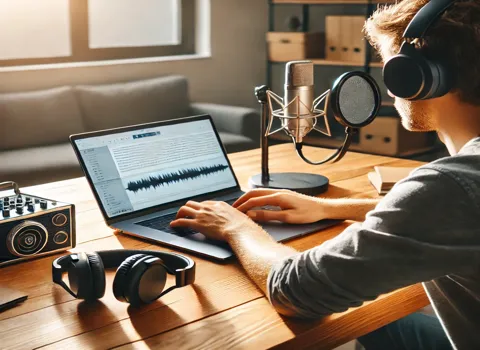
Imagine working from your kitchen table, headphones on, turning fast courtroom chatter into clean transcripts. Judges, lawyers — they’ll lean on your words. And yes, it pays well: about $128k a year. Not bad for work that matters.
Transcription isn’t just “typing.” Think about the
court proceedings transcripts you’ve seen in crime shows or real hearings. Behind every one of those is someone like you, listening hard, catching the details, and making sure nothing slips through.
Why This Role Exists
Courts move fast, faster than most people realize, and accuracy isn’t optional. Judges, attorneys, police officers, and investigators all depend on reliable written records. Miss a single word, and the meaning of a case can shift completely. That’s the kind of accuracy the justice system depends on.
Your work helps preserve evidence, build cases, and give fair trials the clarity they deserve. Without transcribers, the system just doesn’t work with
the same level of accuracy as the justice system.
What Your Day Looks Like
So how does it play out? Pretty simple:
- You log in, grab your assignment, and open your digital transcription software. Could be a police interview transcript, a heated courtroom debate, or scratchy law enforcement recordings.
- You listen carefully, pausing and rewinding, checking legal terms and spellings.
- Some days, the audio’s crystal clear. Other days it’s chaos — background noise, overlapping voices, heavy accents. That’s when patience counts.
- You finish, hand in the transcript, and know that tomorrow it might help a judge or attorney make a decision.
No endless team calls. No Slack pings every five minutes. Just you, your keyboard, and voices that matter.
Why Accuracy Defines This Role
Let’s be blunt — this job is all about precision. When you’re working on
trial testimony transcription or
criminal investigation reports, every comma and pause can matter. In this line of work, your
audio-to-text accuracy isn’t just important — it’s everything.
Picture this: A witness says, “I didn’t see the suspect run.” If the “didn’t” gets dropped, the entire case could shift. That’s why transcription is more than typing. It’s interpretation, it’s careful listening, and it’s keeping to
legal compliance standards.
Tools for Courtroom Transcription Success
We keep it straightforward:
- Professional digital transcription software tuned for judicial system transcription
- Secure cloud storage for confidential case files
- Style guides tailored for judges, attorneys, and investigators
And don’t stress about learning it all on day one — we’ll walk you through the tools until it feels second nature.
Who Thrives Here
Some people think they’d go crazy listening to that long. Others find it oddly calming. If you’re the one who spots typos in menus, loves puzzles, or can’t ignore small mistakes, you’ll probably love it.
We’ve had folks from every background — teachers, paralegals, musicians. One teammate, Sarah, once said, “I used to play piano, and transcribing feels the same. It’s rhythm, patience, listening.”
Nobody nails it the first day. What matters is you’re the kind of person who slows down, double-checks, and cares about getting it right.
Challenges You’ll Face
Working from home has its perks, sure, but it’s not all coffee shops and sweatpants. There are real hurdles:
- Background noise: Sometimes those law enforcement recordings are awful — muffled voices, shouting in the background. You’ll hit rewind more than once.
- Loneliness: Remote work can feel quiet. That’s why we do weekly virtual coffee chats, so you don’t drift too far off.
- Workload swings: One week’s light, the next feels like a flood. Deadlines aren’t flexible.
The upside? You’ve got a team that helps when things get tough. We swap tough audios, share hacks, and keep each other sane.
Skills Every Justice System Transcriber Needs
You don’t need a law degree. You do need:
- Strong listening skills (overlapping voices won’t throw you off)
- Typing speed and accuracy
- Comfort handling confidential case files
- Focus for long stretches
- Some knowledge of forensic documentation support (or a willingness to learn)
If you’ve done
remote transcription jobs before, you know the drill. If not, no worries — we’ll train you.
Your Career Growth in Legal Transcription
This isn’t just clock in, type, clock out. Many people here grow into editors, team leads, or trainers. The demand for
legal transcription services keeps growing — courts and attorneys need reliable records.
One teammate started with no experience at all. Three years later, he’s leading a review team that checks
criminal investigation reports before submission. Growth here means leveling up, not moving out.
Team Culture in Remote Justice Work
Remote doesn’t mean alone. We celebrate birthdays on Zoom, swap playlists, and end weeks with small wins shout-outs. Once, someone finished a 200-page
court proceedings transcript in record time, so we had cupcakes delivered to her door.
Little gestures keep us human, even behind screens.
What Success Looks Like
In six months, success means:
- You’re fast and accurate with transcripts.
- You know the software and style guides inside out.
- You’re trusted enough to ask questions and raise flags.
- Attorneys and judges rely on your work without hesitation.
And maybe you’ll smile when you hear, “This case wouldn’t have moved forward without the transcript.”
Compensation & Flexibility
Let’s be upfront — the pay is
$128,000 a year, fully remote. Work from your living room, a quiet coffee shop, or on the road, as long as the internet holds up.
We’ve got early risers who start before sunrise and night owls who type past midnight. Either way works — just hit the deadlines.
Why This Matters
Being a
Remote Criminal Justice Transcriptionist isn’t about typing words into a page. It’s about trust. You’re the link between spoken words and the official record. Without you, evidence gets muddled and justice stumbles.
Your keyboard turns into an instrument — capturing truth, word by word, with the weight of the justice system behind it.
Ready to Jump In?
If this sounds like your kind of work, don’t overthink it. It pays well, it’s steady, and you’ll get a front-row seat to how the justice system works — all from home.
So, ready to step into the role of
Remote Criminal Justice Transcriptionist and see where your words can take you?
In the end, it comes down to this: the justice system runs on clear records. And that only happens if someone like you puts the words on paper.