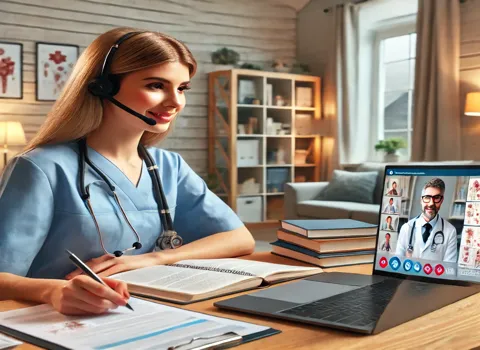
Remote Nurse Educator – Remote Opportunity ($185,301 Annually)
Introduction: Why This Role Matters
Let’s start with something tangible. Every day, nurses step into high-pressure environments where decisions can mean everything. Behind their confidence and skill is someone who guided them, mentored them, and kept their knowledge sharp. That’s where
you come in. As a
Remote Nurse Educator, your work keeps the nursing workforce strong, prepared, and ready to care. And the best part? You’ll do it all from the comfort of your own space, while still shaping lives across the healthcare field.
This isn’t just about teaching slides or checking boxes. It’s about building more innovative, stronger teams through
nursing professional development, practical guidance, and tools that help in real situations. Whether you’re helping design
clinical education programs or mentoring a new nurse one-on-one, your work directly impacts patient care. You’ll feel the weight of it the very first day—because what you do sticks.
The Impact of a Remote Nurse Educator
Nursing is changing fast. Technology, new treatments, evolving patient needs—it can feel like a whirlwind. Nurses need a steady guide through all that change. That’s you. You’ll be creating and leading
online nursing instruction that’s not only informative but also engaging. And in that moment, it clicks—your teaching isn’t just training, it’s changing how they work.
You’ll lead
virtual nurse training that fits seamlessly into busy lives. You’ll make
continuing education for nurses less about jumping through hoops and more about unlocking confidence. You’ll make
virtual classroom facilitation feel personal, dynamic, and interactive. And when nurses feel supported, patients feel it too.
A Remote Nurse Educator’s Daily Routine
A typical day could unfold in a mix of ways—here’s one version:
- In the morning, you might check in with a nurse cohort in a virtual classroom facilitation session. Maybe you’re running a quick poll about common challenges they’re facing with a new electronic health record system.
- Later, you’ll review materials for designing nurse education programs, and tweak case studies to reflect real-world scenarios nurses encounter.
- By afternoon, you could be walking a new team through simulation-based learning, using tech to help them “practice” critical situations without risk.
- And maybe you’ll close the day in a one-on-one online nurse mentorship call, helping someone who’s struggling with confidence in their clinical skills.
No script here. One hour it’s lesson tweaks, the next you’re talking someone through nerves about a skill they can’t quite nail.
Key Responsibilities of a Remote Nurse Educator
1. Designing Education That Sticks
You’ll dive into designing nurse education programs, building lessons that don’t just cover theory but also hit real-life applications. From
clinical teaching strategies to
evidence-based teaching practices, you’ll make sure the content feels fresh, practical, and directly useful.
2. Bringing Learning to Life
Hour-long monologues? Gone. Instead, you’ll use things that keep people awake and learning. You’ll rely on
e-learning for healthcare tools that keep learners active—quizzes, breakout rooms, lively discussions. You’ll also lead
nursing staff training that feels more like a dialogue than a lecture.
3. Mentoring and Coaching
Beyond group sessions, you’ll offer
online nurse mentorship, helping individuals step up when they’re stuck. Sometimes you’ll explain a tricky skill; other times, you’ll listen and reassure them they’re not alone.
4. Driving Growth Across Teams
This role feeds directly into
healthcare workforce development. The stronger nurses feel, the stronger healthcare gets. You’ll support
nursing competency assessment programs that help organizations know where their teams shine and where they need extra support.
Tools and Approaches You’ll Use
Every teacher has their toolkit, and yours is no different. Here’s how you’ll bring learning to life:
- Evidence-based teaching practices – Grounded in the latest research, so nurses aren’t just learning “what we’ve always done” but the best, most up-to-date methods.
- Simulation-based learning – Virtual or remote scenarios where nurses can practice handling critical incidents safely.
- Clinical teaching strategies – Breaking down complex ideas into steps that nurses can use at the bedside.
- E-learning for healthcare – Using tech tools, platforms, and interactive features to keep content engaging.
What Success Looks Like Here
You’ll know it’s working when:
- Nurses finish their continuing education for nurses sessions feeling more confident than when they started.
- Teams start bringing up examples from your training in real patient-care situations.
- Colleagues say your virtual nurse training programs are smoother and more engaging than anything they’ve seen before.
- Someone tells you, “That training helped me handle a real patient situation yesterday.”
A Peek Into the Culture
Remote work can feel lonely sometimes. Here, we keep things connected with weekly team huddles, coffee chats, and open Slack channels. You’ll still get that “hallway conversation” feeling, just virtually. We cheer on wins—like when one of our nurse learners nails a tough competency. And we share struggles too, because no one’s got it all figured out every day.
We value curiosity, humor, and the kind of collaboration where you’re not afraid to say, “I don’t know yet, but let’s figure it out.” If you thrive in environments where teaching is as much about listening as talking, you’ll fit right in.
Growth and Development
This isn’t a stagnant role. We want you to grow as much as you help others succeed. You’ll have access to leadership coaching, chances to lead pilot
clinical education programs, and opportunities to contribute to larger projects in
healthcare workforce development. Whether your dream is to deepen expertise in
nursing professional development or step into broader leadership, you’ll have a clear path forward here.
The Challenges You’ll Face
Some days will stretch your patience thin. It comes with the territory. Technology can glitch in the middle of a session. Learners sometimes arrive distracted after a long shift. And healthcare changes so fast that you’ll need to update materials on the fly. If you see those moments as opportunities to adapt and lead, you’ll fit right in.
What You’ll Need to Bring
We’re looking for someone who’s not just experienced but also energized by teaching. Here’s what matters:
- A strong foundation in clinical education programs and nursing professional development.
- Experience with virtual classroom facilitation and e-learning for healthcare platforms.
- Comfort with tools for simulation-based learning and nursing competency assessment.
- A collaborative mindset—you’ll often work with other educators, clinicians, and leaders.
- Strong communication skills. (If you can turn a complex clinical guideline into something clear and approachable, you’ve got what it takes.)
Salary and Perks
Let’s talk numbers—because your expertise deserves recognition. This role pays
$185,301 annually. Alongside that, you’ll enjoy remote-first flexibility, wellness resources, professional development opportunities, and the chance to do meaningful work that shapes the next generation of nurses.
Why This Role Is Different
There are plenty of educator roles out there, but here’s what makes this one stand out:
- You’re not just teaching—you’re shaping the future of healthcare by investing in nurses.
- You’re not tied to a single hospital—you’re reaching nurses across regions and backgrounds.
- You’re not stuck in old methods—you’re encouraged to experiment with new tools, new strategies, and new ways to make learning stick.
A Day in the Life: A Story
Picture this: it’s Thursday morning. You’re leading a short session on
clinical teaching strategies for a group of nurses new to pediatrics. You share a story from your own experience about managing a rugged case with a child who was scared of needles. You watch as the nurses nod along—they’ve been there too. Then, in breakout rooms, they brainstorm strategies together. By the end, one nurse shares, “I’m going to try distraction techniques with my next patient.” Tiny wins like that remind you exactly why you keep showing up.
Why Become a Remote Nurse Educator
This role is about connection. You’ll connect knowledge to practice, nurses to confidence, and learners to mentors. As a
Remote Nurse Educator, you’ll be doing more than teaching—you’ll be shaping a culture of support, resilience, and growth across healthcare.
If you’re ready to guide, inspire, and make a tangible difference—all while working remotely—this is your moment. Let’s build stronger nurses, together.