
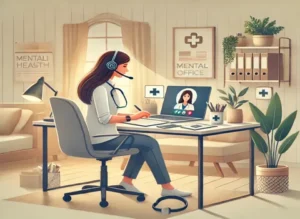
Telehealth Mental Health Nurse
Confidential Company
Job Description
Remote opportunity with global reach — applications are welcome from candidates in any country.
Frequently Asked Questions
1. How does a Telehealth Mental Health Nurse maintain therapeutic rapport in a virtual setting? View answer
Establishing strong connections in a virtual setting involves thoughtful communication techniques. Nurses rely on video interactions, attentive listening, a warm tone, and consistent visual engagement to create a sense of trust and comfort. Ongoing training in virtual patient care and regular follow-ups also enhance relationship-building.
2. What are the most common challenges in delivering remote psychiatric care, and how are they addressed? View answer
Challenges include navigating technological glitches, recognizing non-verbal cues virtually, and managing crises remotely. To address these needs, nurses are trained in telehealth protocols, equipped with crisis response pathways, and supported by integrated electronic health record (EHR) systems that ensure continuity and safety in care.
3. How is patient progress tracked and measured when care is delivered virtually? View answer
Progress is monitored using a combination of clinical assessments, digital questionnaires, and AI-enhanced data from patient interactions. Regular check-ins, symptom tracking apps, and electronic health records provide measurable indicators of emotional and psychological improvement over time.
4. Are there professional development opportunities unique to telehealth nursing? View answer
Yes. Telehealth nurses often receive specialized training in virtual communication, digital therapeutics, data analytics, and AI-assisted care tools. There are also frequent workshops on emerging technologies, online certifications, and cross-disciplinary learning experiences focused on virtual care innovation.
5. What makes working in a virtual mental health team different from traditional clinical teams? View answer
Virtual teams often feature higher autonomy, flexibility, and cross-functional collaboration. Communication happens through secure platforms and regular video meetings, fostering a proactive and inclusive team culture. This model promotes shared decision-making and facilitates a more comprehensive exchange of insights across specialties.