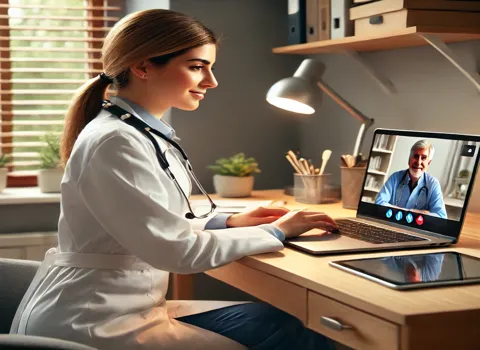
Remote Oncology Nurse Role – Work From Anywhere
A Fresh Way to Do Cancer Care
Ever thought about combining your passion for oncology with the freedom of working remotely? That’s exactly what this role offers. As a
Remote Oncology Nurse, you’ll join a team that blends compassion, clinical knowledge, and modern telehealth tools to give patients the support they need—no matter where they live. Imagine helping someone through the toughest season of their life, while also having the flexibility to work from your own space. Sounds good, right?
This isn’t a box-ticking role—it’s about being the reason someone feels cared for on their hardest day. As a nurse working in oncology from home, you’re not just charting vitals—you’re shaping how people actually live through cancer. Some days that means a calm voice at midnight; other days, a quick call that eases a whole family’s worry. And yes, the annual salary for this opportunity is
$127,000.
Why Patients Need You in This Role
Here’s the truth: cancer doesn’t follow a neat routine. Midnight questions, sudden side effects, the endless wait for lab results—cancer doesn’t stick to business hours. Your work as a
Remote Oncology Nurse will shape how people experience care during one of the hardest journeys they’ll ever take.
We’ve seen how powerful it is when a nurse takes medical jargon and turns it into something a family can actually understand. Or when a patient feels reassured after a telehealth call about a new symptom. Those small but impactful moments are what define success here.
What Your Day Looks Like
Morning – Getting Patients on Track
Your mornings might start with reviewing the schedule of virtual visits. Maybe you’re preparing to guide someone starting chemotherapy, helping them understand
chemotherapy care coordination, or answering a question about patient education for oncology care. You’ll set the tone for their treatment day.
Midday – Connecting Through Telehealth
Midday is often when you’ll dive into video calls. A patient could be struggling with nausea, so you’ll share strategies for
symptom management in oncology. Another call might involve explaining lab results to a family worried about progress. Each conversation is another chance to deliver oncology care that truly revolves around the patient—with empathy and clarity.
Afternoon – Following Through
Later, you’ll handle follow-ups. That might mean reaching out to ensure someone’s managing after
radiation therapy support, or checking in on patients in
cancer survivorship programs. These check-ins build trust and long-term relationships.
And yes—there’s always room for teamwork. You’ll swap updates with physicians, social workers, and pharmacists, making sure nothing slips through the cracks (and yes, coffee helps on those long days).
What’s Tough About This Work (and How We Tackle It Together)
Remote work can sometimes feel isolating. But we’ve built ways to keep everyone connected. Every week we huddle—some stories make us laugh, others make us tear up, but it always reminds us why we’re here. You’ll never feel like you’re doing this alone.
Another challenge? Explaining complicated care plans over a screen. That’s why we use interactive visuals and simple breakdowns. Patients deserve clarity, and you’ll have tools that make explaining clinical support in oncology easier.
Skills That Make You Shine
Here, your strengths as a nurse really stand out. We’ve seen what works well in this role:
- Confidence in explaining treatments and providing patient education for oncology care.
- Comfort using digital platforms for telehealth cancer care.
- A knack for noticing early warning signs when a patient talks about side effects.
- Strong organizational skills for oncology case management.
- Heartfelt communication that makes patients feel truly seen and heard.
Growth Beyond the Screen
This job isn’t just about today. We know you’re building a career, not just a paycheck. Nurses here often pursue
oncology nursing certification or specialize further in
hematology oncology nursing. Some step into leadership, guiding new team members. Others dive into innovation, testing new tools for remote oncology work. The path is yours to shape.
Skimming? Here’s the short of it: you grow your career, and patients feel less alone. Simple as that.
Team Stories That Inspire
One of our nurses told us about the night she got a message from a patient panicking about a rash after treatment. Instead of waiting until morning, she hopped on a quick video call, reassured the patient, and gave clear steps for relief. The next day, that patient said, “You saved me from a sleepless night of worry.” That’s the level of support patients remember.
Another time, during a team huddle, a nurse shared how a small tip about managing fatigue completely changed a patient’s routine. It wasn’t medical jargon—it was practical, everyday advice. That’s what patient trust is built on.
Tools You’ll Use
You won’t be left figuring things out on your own. We’ve set up systems that make remote work smooth:
- Secure telehealth platforms designed for clinical support in oncology.
- Dashboards that track symptoms, so you can spot patterns early.
- Resources for palliative care nursing, ensuring comfort is never overlooked.
- Training modules that keep you up to date with oncology treatment guidelines.
The Human Connection Behind Remote Nursing
Sure, the technical side is important. But what really matters is the human connection. Some days, all a patient needs is a calm voice telling them, “Yes, what you’re feeling is normal.” Other times, you’ll be the empathetic listener as they share fears about the future. These conversations aren’t just “part of the job”—they’re the heart of it.
We all know that behind every diagnosis, there’s a person. Someone who wants to see their kid graduate, or someone who’s planning a retirement trip. As a
Remote Oncology Nurse, you’ll help make those goals feel possible again.
No scripts. No robots. Just nurses who care.
Qualifications That Fit
Let’s talk about what helps you thrive in this role:
- A current RN license with experience in oncology.
- Prior exposure to hematology oncology nursing or related fields.
- Strong knowledge of chemotherapy, radiation, and palliative care nursing.
- Comfort with remote work tools and virtual communication.
- Bonus if you’ve been part of cancer survivorship programs or have done oncology case management.
We don’t expect perfection. What we do value is adaptability, empathy, and the ability to keep learning.
A Day in the Life – Through a Patient’s Eyes
Imagine you’re a patient. You’ve just had your second round of chemo, and nausea hits hard. Instead of waiting for your next appointment, you send a quick message. Within minutes, your nurse schedules a telehealth session, walks you through
symptom management in oncology, and reassures you it’s manageable. You hang up feeling calmer—and more in control.
That’s the level of support patients remember.
What Makes This Team Different
Remote jobs aren’t all equal. What sets this one apart is the culture. We don’t just push paperwork or follow rigid scripts. Instead, we adapt, we listen, and we innovate together. Every nurse’s opinion matters. If you’ve got an idea for making clinical support in oncology smoother, we want to hear it.
And let’s face it—remote jobs sometimes lack that sense of belonging. Here, you’ll be part of a team that checks in not only on work but also on each other’s well-being. You’ll hear teammates share personal wins, like a kid’s soccer game or a long-awaited vacation. That’s what keeps the team bond real.
What You’ll Get Out of It
We know compensation matters. For this position, the annual salary is set at
$127,000. Alongside that, you’ll find room for continuing education, flexible scheduling, and the ability to shape your work-life balance.
And yes—remote work means no commute, no traffic jams, and more time back in your day.
Why You’ll Love It Here
You’ll love this role if:
- You want flexibility without losing meaningful patient connections.
- You’re passionate about oncology care that truly revolves around the patient.
- You see value in blending technology with human touch.
- You’re excited to grow through training, certifications, and peer learning.
Ready to Step In and Make a Difference?
Bottom line? This role isn’t just about tasks—it’s about standing beside people in the toughest chapters of their lives—and giving them hope, clarity, and compassion along the way.
Ready to put your cancer care skills to use in a role that’s flexible and human? If yes, this is your move. Let’s make a difference—together.