
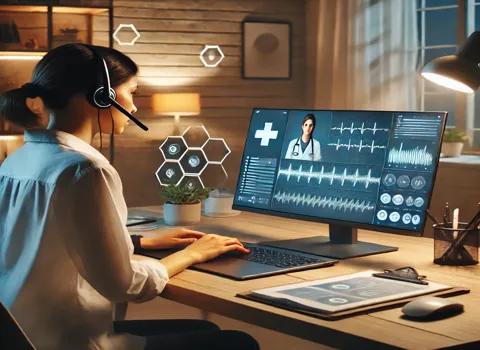
Remote Medical Transcription Technology Specialist

Popular
$56,000.00
Report Abuse

Description

Remote Medical Transcription Technology Specialist (x5)

A Fresh Start in Healthcare Tech

Let’s be honest—remote jobs are everywhere. But few truly mix healthcare, technology, and real impact the way this one does. As a Remote Medical Transcription Technology Specialist (x5), you’ll be stepping into a space where every click, every line of digital text, and every patient record matters. Think of it as the bridge between advanced healthcare transcription technology support and the very human stories behind those medical notes.

It’s way more than typing what doctors say into a box. It’s about ensuring that electronic health records integration works smoothly, that virtual medical documentation systems feel natural to use, and that technology doesn’t slow healthcare down—but speeds it up.

Oh, and yes—it’s fully remote. No commute, no traffic, no office parking drama. Just you, your laptop, and a team always one message away.

Why This Job Actually Stands Out

Ever been frustrated by clunky speech recognition software optimization tools? Or seen how a misplaced transcription can ripple across a patient’s care journey? That’s the world you’ll help fix. Here, you’ll get to:

  • Shape how HIPAA-compliant transcription tools protect sensitive data.
  • Solve everyday glitches in remote clinical data processing.
  • Share ideas for better medical dictation technology solutions.

And you won’t do it alone. Picture this: Alex from the team messages, “This system’s not syncing with our cloud-based transcription platforms.” You dive in, tweak a setting, and suddenly—bam—the workflow is back on track. That small tweak? It likely saved a nurse a couple of hours and kept the day on track.

What You’ll Really Be Doing

So, what would your day actually look like?

Keeping Tech in Sync

You’ll make sure accuracy in digital medical records isn’t just a promise but a reality. When a system hiccups, you’ll troubleshoot. When a new tool rolls out, you’ll test and guide others through it.

Supporting Healthcare Teams

Imagine a doctor finishing rounds and relying on remote healthcare documentation workflow tools to wrap up the day. You’ll be the one making sure those tools don’t freeze, lag, or lose data.

Training and Sharing Know-How

Not everyone is tech-savvy. You’ll handle medical transcription software training with patience, breaking things down into plain English, and making sure folks feel confident instead of frustrated.

Protecting What Matters

Every line of text, every patient note—it’s sensitive. You’ll strengthen secure patient information systems so people trust the platforms you support.

Blending AI With Care

You’ll also get to explore AI-powered medical transcription tools. But instead of just letting the machine run wild, you’ll fine-tune it for real-world healthcare needs.

What a Typical Day Could Look Like

You log in with a cup of coffee in hand. First up—an update ticket from the night shift. Someone’s having trouble with technology-driven healthcare compliance alerts in their transcription tool. You jump in, walk them through a fix, and make sure everything’s documented.

By mid-morning, you’re testing a new patch on a virtual medical documentation system. You notice the system misreads some speech accents, so you flag it, adjust settings, and report back. In the afternoon, you conduct a mini-session for a small clinic on enhancing their use of the cloud-based transcription platform.

Before logging off, you sync with your teammates on Slack for a quick huddle. Everyone shares their “tiny win of the day.” Maybe you helped a nurse avoid re-entering hours of notes. Perhaps someone else has already optimized speech recognition software for pediatric use. Little victories that stack up.

And then? You’re done for the day. Work-life balance intact.

Skills That Really Count

We’re not throwing a giant checklist at you. Here’s what really counts in this role:

  • Curiosity for tech: You’re the type who enjoys figuring out why something isn’t working.
  • Calm under pressure: When a transcription system goes down, you don’t panic—you focus.
  • Good communicator: You explain fixes in a way that makes sense to people who aren’t techies.
  • Detail-oriented: You understand that minor errors in digital medical records can have significant impacts.
  • Respect for privacy: Protecting patient data isn’t just a rule; it’s something you believe in.

Have you had experience with healthcare IT transcription specialist roles before? Perfect. New to healthcare but experienced in tech? That works too—as long as you’re ready to learn.

Growth Path

This isn’t a role where you’ll feel stuck. If you enjoy problem-solving and learning, you’ll keep moving forward. As a specialist in medical dictation technology solutions today, you can grow into leading larger projects on secure patient information systems tomorrow.

Some folks step into management, others move deeper into AI tech for healthcare. The point is—you’ll have options.

Team Culture

We’re remote, but we don’t feel distant. Every week, there’s a casual team catch-up. Sometimes it’s about the work, sometimes it’s about sharing memes or weekend stories. When someone finds a cool shortcut in electronic health records integration, they post it in chat. When a system update frustrates everyone, we laugh about it together.

Remote work can feel lonely sometimes. Here, we keep things connected with those small but real human moments.

The Tools You’ll Be Around

If tech is your playground, this is a fun one. You’ll work with:

  • Advanced speech recognition software optimization tools.
  • Cloud-based transcription platforms that link multiple clinics together.
  • Security-driven HIPAA-compliant transcription tools.
  • Every day, collaboration tools like Slack, Zoom, and project boards.

And when new tools arrive, you’ll get first dibs on exploring them.

Salary and Perks

Money matters, right?  This role pays an annual salary of around $56,000. Along with that, you’ll get:

  • Full remote setup—no relocation needed.
  • Flexible hours, because healthcare doesn’t run on 9-to-5 alone.
  • Paid time off, because rest matters.
  • Ongoing training in medical transcription software and other healthcare tech.

Challenges You’ll Face (And Why They’re Worth It)

Real talk—this job isn’t always smooth sailing. Systems will crash. Doctors will get impatient. Sometimes, you’ll feel like you’re explaining the same step for the tenth time.

Here are the biggest hurdles you’ll run into:

  • System downtime: When a tool goes offline, the pressure’s on to get it back fast.
  • User frustration: Not everyone’s comfortable with tech—you’ll need patience and empathy.
  • Data accuracy: A single mistake in digital medical records can cause big headaches.

But those are the moments where your work matters most. Every fix you make means someone’s grandma, teenager, or neighbor gets their care on time. That’s worth the grind.

The Bigger Impact

Healthcare is changing fast. More patient records are going digital, more workflows are moving to the cloud, and more tools are leaning on AI. Your role as a Remote Medical Transcription Technology Specialist (x5) means you’re right at the heart of this change.

When you fine-tune AI-powered medical transcription tools, you’re not just helping software—you’re helping real people get care faster. When you strengthen secure patient information systems, you’re protecting families. And when you improve technology-driven healthcare compliance, you’re making sure healthcare is safer for everyone.

Final Thoughts (And Why This Matters)

So here’s the thing: this job is about more than tech. It’s about trust, care, and genuine teamwork—even from miles apart. If you’re ready to mix your love for technology with the impact of healthcare, this role is your chance.

Your work won’t just keep systems running. It’ll keep healthcare moving forward.

Remote opportunity with global reach — applications are welcome from candidates in any country.